

Introduction
When we talk about devices in everyday conversations, the phrase often sounds simple, yet the true devices meaning goes far beyond just phones or computers. In today’s digital world, understanding what the word devices really means helps us make sense of the tools we rely on every single day. From the moment we wake up to the moment we go to sleep, we interact with different kinds of devices without even realizing it. They guide us, inform us, entertain us and make our routines smoother.
Knowing the meaning of devices matters more than ever because technology keeps evolving and new types of devices appear constantly. Whether it is a smart assistant in the living room, a wearable that tracks health, or a laptop that supports work and study, each device plays a unique role in our daily lives. By understanding what qualifies as a device and how each one functions, we can make better choices and use technology more confidently.
In this article, you will learn the clear definition of devices, the different categories they fall into, how they work and why they are important in modern life. You will also see simple examples that make the concept easy to understand even if you are not a tech expert. This guide is designed to help you truly understand the real meaning behind the word devices.
What the word devices really means
When we look at the devices meaning in simple language, a device is any object created to perform a specific task or function. It can be something powered by electricity, something mechanical or even a simple tool that helps us solve a problem or complete an action more easily. The word devices is broad because it covers everything from basic household items to advanced digital technology.
The meaning of devices also changes depending on the context. In everyday life, people often think of devices as electronic gadgets such as phones or tablets. In a technical or scientific setting, however, a device might refer to any instrument that carries out a process, measures something or supports a system. This is why the term can apply to a wide range of objects, from medical instruments to smart home systems.
Another important point in understanding devices is how they are different from tools. A tool is usually something we operate directly with our hands, while a device often works either automatically or with built in mechanisms that handle part of the task for us. This is why modern technology is filled with devices that can process information, respond to commands and interact with other systems.
In short, the word devices represents objects designed with purpose, function and usefulness in mind. Whether simple or advanced, every device helps make tasks easier, faster or more efficient.
May be you like it :
Devices Gmail – How to Access and Manage Your Gmail Account on All Devices
Software Manager Jobs – Roles Skills Career Growth and How to Land One
Software Update in Spanish – Step-by-Step Guide to Latest Updates
Software Languages – Top Programming Languages Tips and Future Trends
Software NAICS Code – Guide to Industry Classification and Government Reporting
Different types of devices with clear examples
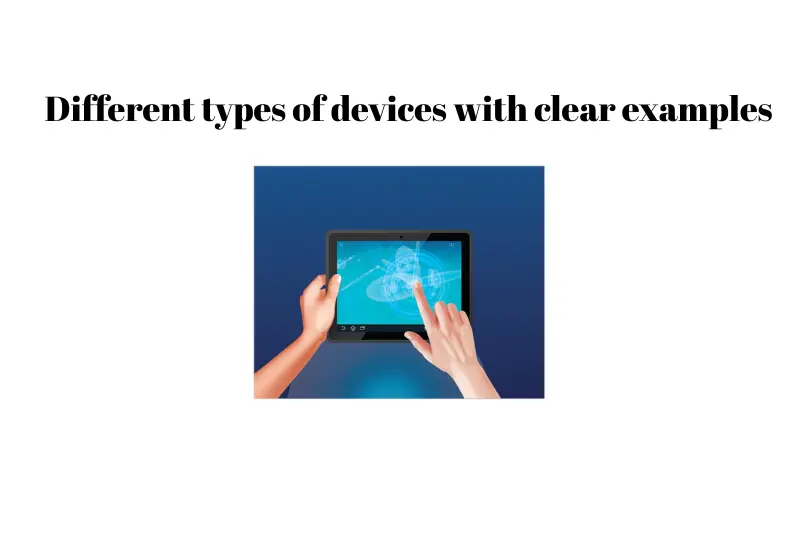
Understanding the devices meaning becomes easier when we look at the different categories they fall into. Devices are not limited to electronics alone. They can be mechanical, digital or even everyday objects designed to perform a purpose. Here is a simple breakdown of the main types of devices we use in daily life.
Electronic devices
Electronic devices are the ones most people think of first. These rely on electrical circuits and digital components to operate.
Examples include mobile phones, laptops, tablets, televisions and wearable fitness trackers. These devices help us communicate, work, learn and stay entertained.
Mechanical devices
Mechanical devices work through physical movement and do not always need electricity. They use gears, springs or manual force to complete tasks.
Examples include clocks, bicycles, staplers, door locks and hand operated tools. Even though they may seem simple, they play an important part in daily routines.
Digital and smart devices
Digital devices use data processing and software to function. When they can connect to the internet or interact with other devices, they are often called smart devices.
Examples include smart home assistants, smart speakers, smart televisions and internet connected gadgets like smart thermostats or home security cameras. These devices learn from user behavior and make tasks more convenient.
Everyday devices we depend on
Many devices we use daily do not fall into the high tech category but still serve meaningful purposes.
Examples include kitchen appliances, calculators, medical devices like thermometers and office devices such as printers or scanners. Each one has a specific function that supports our lifestyle and work.
May be you like it :
Devices Mockup – Create Realistic Digital Mockups with Templates
Devices MAC Address – What It Is How to Find It and Why It Matters
Devices Meaning Explained – Definition Types Examples and Uses
Devices Examples- Complete Guide to Everyday and Smart Devices
Entertainment Technician Jobs – Careers And Opportunities
How devices work in simple terms
To understand the devices meaning more clearly, it helps to know how most devices actually work behind the scenes. Even though devices come in many shapes and levels of complexity, they usually follow a similar basic pattern of operation.
Devices start with an input
Every device begins its job when it receives some form of input. This input can be a touch on a screen, a voice command, a button press or even a sensor picking up information from the environment. For example, when you tap an icon on a phone, that tap is the input that tells the device what to do next.
The device processes the information
After receiving the input, the device processes it. This simply means it figures out what action to take. In electronic and digital devices, this is handled by internal circuits, processors and software. In mechanical devices, gears, springs or levers do the processing.
For instance, a calculator processes your numbers through its internal chip, while a manual clock processes movement through a series of small mechanical parts.
The device produces an output
Once the device finishes processing the input, it gives you a result. This result is called the output. It could be a sound, a display of information, a completed task or a physical movement.
Examples include a phone displaying a message, a printer producing a page or a smart assistant answering a question.
Some devices communicate with each other
Modern devices often share information through wireless connections, networks or Bluetooth. This communication allows devices to work together.
A smart watch can send your step count to your phone, or a smart home device can communicate with your lights to turn them on automatically.
Software and hardware work as a team
Every advanced device has both hardware and software. Hardware is the physical part you can touch, while software is the digital part that gives the device instructions.
Together, they allow the device to function smoothly and respond to user actions.
Why devices matter in our daily lives
Understanding the devices meaning becomes even more valuable when we look at how deeply they are connected to our daily routines. Devices are no longer just optional tools. They have become essential companions that support our work, safety, health and communication.
Devices make everyday tasks easier
From using a phone to check directions to relying on a kitchen appliance for cooking, devices simplify the tasks we do every day. They save time, reduce effort and help us complete things more efficiently. Even simple devices like a calculator or a mechanical timer can take the stress out of small tasks.
Devices help us stay connected
One of the biggest roles devices play is communication. Phones, laptops and tablets allow us to talk, share and stay in touch with people, no matter where they are. Social interaction, remote work and online learning are all possible because of modern devices.
Devices support health and wellbeing
Many devices today are designed with health in mind. Fitness trackers monitor steps, sleep and heart rate. Medical devices like digital thermometers or blood pressure monitors help people manage their health more easily at home. These tools give us useful insights that encourage healthier lifestyles.
Devices enhance learning and education
Digital devices such as tablets, e readers and laptops have transformed education. They allow students to access information, attend online classes and learn at their own pace. Teachers also use devices to create better, more interactive lessons.
Devices increase productivity and creativity
Whether it is a computer used for work, a camera used for content creation or a smart assistant that manages schedules, devices improve productivity. They help people stay organized, get more done and even explore creative hobbies.
Devices add comfort and convenience
Smart home devices offer comfort by automating tasks like lighting, temperature control or security. Even something as simple as a remote control or a digital clock adds convenience to everyday living.
May be you like it :
What Is Tech 2 – Definition Applications Benefits and Future Trends
Entertainment Technician – Career Guide Skills Tools And Opportunities
Fun Tech Facts – Amazing Surprising and Cool Technology Trivia
Tech Game Today – Latest Trends Innovations And Future Insights
Tech Earnings This Week – Key Reports Market Trends And Investor Insights
Common questions about the meaning of devices
As people explore the devices meaning, a few questions often come up. These simple explanations help clear common confusion and make the concept easier to understand.
Is every gadget considered a device
Most gadgets can be considered devices, but not every device is a gadget. A gadget usually refers to something small and often electronic with a specific purpose, while a device can be any object designed to perform a function. For example, a smartphone is a gadget and a device, but a washing machine is a device, not typically called a gadget.
Do devices need electricity to be called devices
No, devices do not need electricity to qualify as devices. Mechanical devices like manual watches, door locks or scissors work without power but are still considered devices because they perform a specific task using designed components.
What makes a device smart
A device is called smart when it can process information, connect to other systems or respond automatically to user behavior. Smart speakers, smart televisions and smart home sensors use software and internet connectivity to perform tasks that go beyond basic functions.
What is the difference between a device and equipment
A device is usually a single unit designed for one main function, while equipment often refers to a collection of tools or devices used together for a larger purpose. For example, a printer is a device, but all the items in an office setup combined are considered equipment.
Are tools and devices the same thing
Tools and devices are related but not identical. A tool is often something you operate manually, while a device may work automatically or contain built in mechanisms. For instance, a hammer is a tool, but a digital thermometer is a device.
Future of devices
As technology continues to evolve, the devices meaning will expand even further. The future of devices points toward smarter, more connected and more intuitive tools that blend seamlessly into everyday life.
Smarter technology with artificial intelligence
Artificial intelligence is becoming a key part of modern devices. Future devices will be able to understand speech more accurately, predict our needs and make decisions on their own. For example, smart home systems may adjust lighting, temperature or security settings based on our habits without needing a command.
More connected devices in every environment
The number of devices connected to the internet is growing rapidly. In the future, everyday items like refrigerators, cars and even clothing may communicate with each other. This network of connected devices will make daily tasks smoother and more efficient by sharing data automatically.
Wearable devices that offer deeper insights
Wearable technology will become more advanced. Instead of only tracking steps or heart rate, future wearables may monitor advanced health metrics, detect early signs of illness or offer personalized wellness advice. These devices will become more comfortable, accurate and user friendly.
Devices that focus on sustainability
Technology companies are becoming more aware of environmental impact. New devices will likely use eco friendly materials, consume less energy and last longer. Some devices may even power themselves through solar energy or motion.
Augmented reality and immersive digital experiences
Devices of the future may merge physical and digital worlds. Augmented reality glasses, holographic displays and immersive work environments will become more common. These devices will change the way we learn, work and interact with information.
Final thoughts
Understanding the devices meaning is more important than ever in our modern, technology driven world. Devices are all around us, from simple mechanical tools to advanced smart systems, and they play a key role in making our daily lives easier, safer and more productive.
By knowing what qualifies as a device, how devices work, and the different types that exist, we can make better choices about how we use technology. Whether it is a smartphone, a wearable, a kitchen appliance, or a smart home assistant, each device has a clear purpose and adds value to our routines.
As technology continues to evolve, the meaning of devices will expand further, incorporating more advanced capabilities, connectivity, and intelligence. Staying informed about these changes helps us adapt, benefit from new tools, and use devices in ways that truly improve our lives.
In short, devices are not just tools—they are an integral part of how we live, work, learn, and interact with the world. Understanding their meaning gives us clarity and empowers us to use technology smarter and more effectively.
May be you like it :
Tech Quotes – Inspirational And Famous Quotes To Motivate Innovators
Tech Index Funds Guide 2025 – Best Technology Funds For Long Term Growth
Tech Neck Symptoms – Causes Prevention And Effective Treatments
Entertainment Information – Latest Updates on Movies Music TV and Celebrities
