

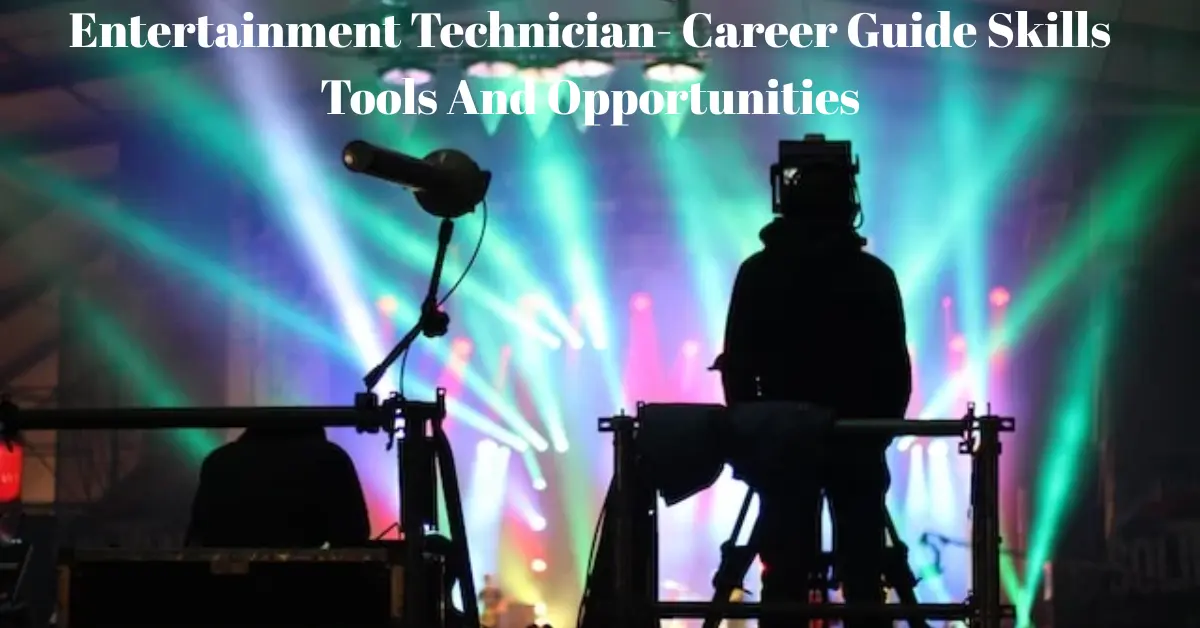
In the world of entertainment, a seamless show or live event doesn’t happen by chance. Behind every perfectly timed light, crystal-clear sound, and smoothly executed stage effect is an entertainment technician working tirelessly to bring performances to life. These skilled professionals are the backbone of concerts, theater productions, corporate events, and other live experiences, ensuring that audiences enjoy a flawless and immersive experience.
An entertainment technician wears many hats, often functioning as a live events technician, stage technician, or audio visual technician, depending on the production’s specific needs. From setting up complex lighting rigs and sound systems to coordinating video displays and stage mechanics, their expertise makes the magic happen behind the scenes.
For anyone exploring entertainment industry careers, understanding the role of an entertainment technician offers valuable insight into a field that combines creativity, technical skill, and problem-solving under pressure. Without their work, even the most talented performers would struggle to deliver the spectacular shows audiences have come to expect.
What is an Entertainment Technician?
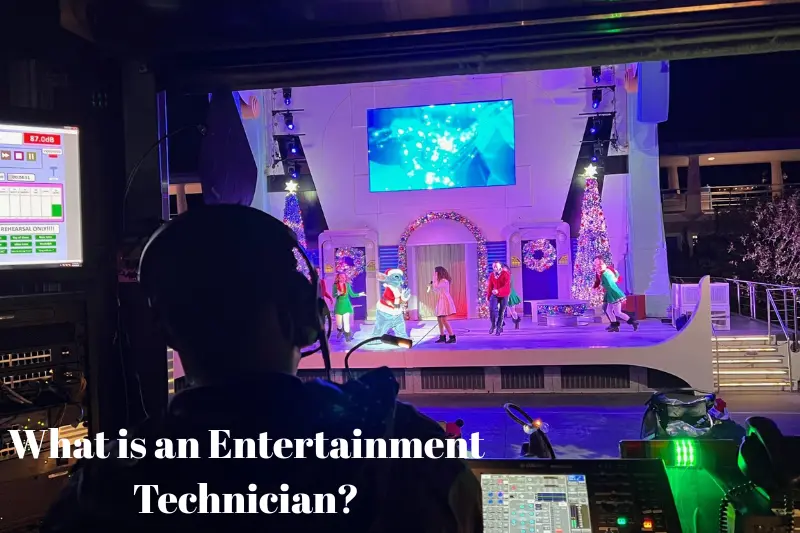
An entertainment technician is a skilled professional responsible for managing the technical aspects of live events, performances, and productions. They ensure that everything from lighting and sound to video displays and stage mechanics works seamlessly, creating an immersive experience for the audience. Whether it’s a concert, theater production, corporate event, or festival, entertainment technicians play a critical behind-the-scenes role that often goes unnoticed but is essential for the show’s success.
Depending on the size and type of production, an entertainment technician might also be called a live events technician, stage technician, or audio visual technician. While each title emphasizes a slightly different area of expertise, all involve coordinating complex technical setups, troubleshooting equipment issues in real-time, and collaborating with performers, directors, and event organizers.
These professionals are highly versatile, often moving between tasks such as setting up lighting rigs, adjusting sound systems, managing video projections, and ensuring the safety and functionality of stage equipment. Their work requires a combination of technical knowledge, problem-solving skills, and quick thinking, especially in high-pressure environments where live performances cannot afford errors.
For those exploring entertainment industry careers, the role of an entertainment technician offers a unique blend of creativity and technical mastery. It’s a career path that demands dedication and precision, but it also provides the satisfaction of helping bring unforgettable experiences to audiences around the world.
May be you like it :
Devices Gmail – How to Access and Manage Your Gmail Account on All Devices
Software Manager Jobs – Roles Skills Career Growth and How to Land One
Software Update in Spanish – Step-by-Step Guide to Latest Updates
Software Languages – Top Programming Languages Tips and Future Trends
Software NAICS Code – Guide to Industry Classification and Government Reporting
Key Skills Required to Be an Entertainment Technician
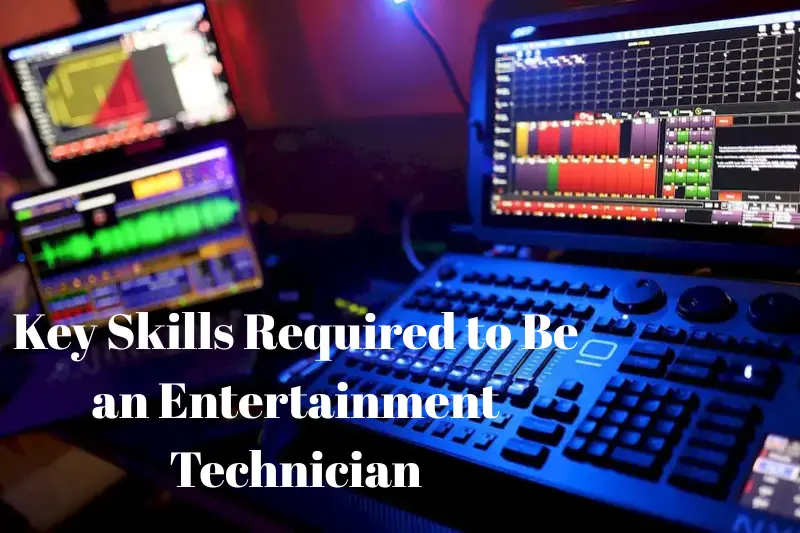
Being an entertainment technician demands a unique combination of technical expertise and soft skills. These professionals are responsible for the seamless execution of live events, which means they must be highly skilled, adaptable, and prepared for fast-paced environments.
- Technical Skills:
At the core of the role are technical abilities. Entertainment technicians must be proficient in operating soundboards, lighting consoles, and video equipment. Knowledge of audio-visual technology, stage mechanics, and live event software is essential. Many also specialize as a live events technician, stage technician, or audio visual technician, depending on their area of expertise. Being able to troubleshoot technical issues quickly can make the difference between a flawless performance and a disrupted event. - Soft Skills:
Equally important are soft skills. Entertainment technicians work closely with performers, directors, and production teams, making communication and teamwork critical. Problem-solving under pressure, attention to detail, and time management are also vital. For example, a last-minute technical glitch during a concert requires quick thinking, collaboration, and calm execution. - Adaptability and Learning:
The entertainment industry evolves rapidly, with new technology and techniques emerging constantly. A successful entertainment technician stays updated on industry trends, tools, and equipment to remain competitive. Continuous learning and hands-on experience are key to thriving in this career.
For anyone exploring entertainment industry careers, mastering these skills is essential. They not only ensure a smooth live performance but also open doors to growth, specialization, and rewarding opportunities in the world of live events and productions.
Education and Training for Entertainment Technicians
Becoming an entertainment technician requires a mix of formal education, hands-on training, and continuous skill development. While there isn’t a single educational path, most professionals combine technical learning with practical experience to excel in this dynamic field.
- Formal Education:
Many aspiring technicians begin with a degree or certification in fields such as audio engineering, theater production, or audiovisual technology. These programs teach essential concepts like sound mixing, lighting design, video production, and stage management. Vocational schools and community colleges also offer specialized courses for live events technicians, stage technicians, and audio visual technicians, giving students practical skills in real-world settings. - Certifications and Specialized Training:
Industry certifications can boost credibility and open doors to advanced roles. Examples include certifications in sound engineering, lighting systems, or AV technology. These programs ensure that technicians are up-to-date with the latest equipment and production standards. Hands-on workshops and apprenticeships provide invaluable experience, allowing trainees to apply classroom knowledge to live productions under the guidance of seasoned professionals. - On-the-Job Experience:
Experience is crucial in the entertainment industry. Many technicians start as assistants or interns in theaters, event venues, or production companies. Working in real environments teaches problem-solving under pressure, teamwork, and the nuances of live performance setups that cannot be fully learned in a classroom.
For anyone considering entertainment industry careers, combining formal education with practical experience is the most effective path. Not only does it build technical expertise, but it also establishes credibility and prepares individuals to thrive in high-stakes, fast-paced live events.
May be you like it :
Devices Mockup – Create Realistic Digital Mockups with Templates
Devices MAC Address – What It Is How to Find It and Why It Matters
Devices Meaning Explained – Definition Types Examples and Uses
Devices Examples- Complete Guide to Everyday and Smart Devices
Entertainment Technician Jobs – Careers And Opportunities
Tools and Equipment Used by Entertainment Technicians
An entertainment technician relies on a wide range of tools and equipment to ensure live events run smoothly. From concerts to theater productions, every performance depends on precise technical setup, and familiarity with the right gear is crucial.
- Audio Equipment:
Sound is a cornerstone of any live event, making audio tools essential. Entertainment technicians often work with soundboards, mixers, microphones, speakers, and amplifiers to deliver clear and balanced sound. A live events technician must know how to adjust levels in real-time, troubleshoot audio glitches, and optimize acoustics for different venues. - Lighting Equipment:
Lighting sets the mood, highlights performers, and enhances visual storytelling. Technicians use lighting rigs, dimmer boards, LED panels, and spotlights to create dynamic effects. Understanding how to program lighting sequences and coordinate with other technical teams is key for a stage technician. - Visual and Video Equipment:
Modern productions increasingly rely on video displays, projectors, and screens. An audio visual technician manages video playback, projections, and live feeds, ensuring visuals sync perfectly with the performance. Knowledge of video software and camera operation is often required. - Stage and Safety Equipment:
Stage mechanics, rigging systems, and safety gear are also part of an entertainment technician’s toolkit. Proper setup, maintenance, and safety checks are essential to protect performers and crew during live events. - Software and Digital Tools:
From sound engineering software to lighting control systems, digital tools are integral to modern entertainment production. Technicians must stay updated with the latest technologies to enhance performance quality.
For anyone exploring entertainment industry careers, understanding these tools is as important as mastering technical skills. Proficiency with equipment not only ensures smooth performances but also strengthens credibility and career prospects in the live events and production world.
Career Path and Opportunities for Entertainment Technicians
A career as an entertainment technician offers a dynamic and rewarding journey, with opportunities to grow, specialize, and work on a wide range of live events and productions. Whether you’re just starting or seeking advancement, this field provides a path filled with technical challenges and creative fulfillment.
- Entry-Level Roles:
Many technicians begin as assistants, stagehands, or junior live events technicians. These positions provide hands-on experience with sound, lighting, and stage setups while allowing newcomers to learn from experienced professionals. Early roles often involve equipment setup, troubleshooting, and assisting senior technicians during performances. - Specialization Opportunities:
As skills develop, technicians can specialize in areas such as sound engineering, lighting design, video production, or stage management. Becoming a stage technician or audio visual technician opens doors to higher responsibilities, including managing entire production teams or designing complex event setups. - Advanced Roles and Leadership:
Experienced technicians may advance to supervisory or managerial positions, overseeing large-scale events, coordinating multiple technical departments, or directing live production operations. Some even move into production design or consulting roles, leveraging their technical expertise to shape the creative vision of shows. - Industry Scope and Benefits:
The entertainment industry offers diverse opportunities, from theater and concerts to corporate events, festivals, and live broadcasts. For those passionate about entertainment industry careers, this path combines technical mastery, creativity, and problem-solving. Salary and career growth vary depending on specialization, experience, and location, but the field consistently rewards dedication and skill.
Choosing a career as an entertainment technician is not only about operating equipment—it’s about being an essential part of creating unforgettable experiences. For those who thrive under pressure and enjoy hands-on problem-solving, the opportunities are vast and continually evolving.
May be you like it :
What Is Tech 2 – Definition Applications Benefits and Future Trends
Entertainment Technician – Career Guide Skills Tools And Opportunities
Fun Tech Facts – Amazing Surprising and Cool Technology Trivia
Tech Game Today – Latest Trends Innovations And Future Insights
Tech Earnings This Week – Key Reports Market Trends And Investor Insights
Challenges and Rewards of Being an Entertainment Technician
Working as an entertainment technician can be both demanding and highly rewarding. The role requires technical expertise, quick thinking, and the ability to adapt to fast-paced environments, making it a career full of unique challenges and valuable rewards.
- Challenges:
One of the biggest challenges is the high-pressure nature of live events. Technicians must ensure that everything—from sound and lighting to video and stage mechanics—runs flawlessly, often with no room for error. Long hours, late nights, and weekend work are common, especially during concerts, theater productions, or large-scale events. Traveling for tours or productions can also be physically and mentally demanding. Additionally, keeping up with rapidly evolving technology requires continuous learning and adaptability, which can be challenging but essential for career growth. - Rewards:
Despite the challenges, the rewards are significant. Entertainment technicians play a critical role in creating memorable experiences for audiences, giving them a sense of accomplishment and pride. The career offers opportunities to work on exciting projects, collaborate with creative professionals, and develop specialized technical skills. Many technicians find personal satisfaction in problem-solving under pressure and seeing a live event come together seamlessly.
For those exploring entertainment industry careers, the combination of challenges and rewards makes this field particularly fulfilling. The sense of contributing to something larger than oneself, coupled with the opportunity to master both technical and creative skills, makes being an entertainment technician a career that is both dynamic and impactful.
Tips for Aspiring Entertainment Technicians
For those interested in pursuing a career as an entertainment technician, building the right skills, experience, and professional network is key to success. The field is competitive, but with dedication and strategy, aspiring technicians can thrive in the exciting world of live events and productions.
- Gain Hands-On Experience:
Practical experience is invaluable. Volunteer or intern at theaters, concert venues, or production companies to learn the ins and outs of live event setups. Working as an assistant or junior live events technician allows you to observe seasoned professionals and develop essential skills in real-world environments. - Build Technical Expertise:
Focus on mastering the core technical areas of the job, such as sound engineering, lighting design, stage management, and audiovisual systems. Becoming proficient in software tools, equipment operation, and troubleshooting will make you a reliable and skilled stage technician or audio visual technician. - Network Within the Industry:
Relationships matter in the entertainment industry. Attend workshops, industry conferences, and local events to meet professionals, learn from their experiences, and discover new opportunities. Networking can open doors to mentorships, jobs, and collaborative projects. - Stay Updated on Technology:
The entertainment industry evolves rapidly, with new equipment and techniques emerging constantly. Keeping up with trends, attending training programs, and obtaining relevant certifications can give you a competitive edge. - Cultivate Soft Skills:
Effective communication, teamwork, problem-solving under pressure, and adaptability are just as important as technical knowledge. These soft skills help you collaborate successfully and handle the challenges of live productions.
Following these tips can set aspiring entertainment technicians on a path toward a fulfilling and dynamic career. By combining technical expertise with practical experience and professional networking, you can become an indispensable part of the live entertainment industry.
Conclusion
Becoming an entertainment technician offers a unique opportunity to combine technical skill, creativity, and problem-solving in the dynamic world of live events. From managing sound, lighting, and video systems to ensuring stage setups run flawlessly, these professionals play a vital role behind the scenes of concerts, theater productions, corporate events, and more.
For those exploring entertainment industry careers, mastering both technical and soft skills is essential. Practical experience, continuous learning, and networking can help aspiring technicians advance into specialized roles, such as live events technician, stage technician, or audio visual technician, while enjoying a rewarding and creative career.
Ultimately, the work of an entertainment technician is both challenging and fulfilling, offering the satisfaction of contributing to unforgettable experiences for audiences and leaving a lasting impact on the entertainment industry.
May be you like it :
Tech Quotes – Inspirational And Famous Quotes To Motivate Innovators
Tech Index Funds Guide 2025 – Best Technology Funds For Long Term Growth
Tech Neck Symptoms – Causes Prevention And Effective Treatments
Entertainment Information – Latest Updates on Movies Music TV and Celebrities
