

Introduction
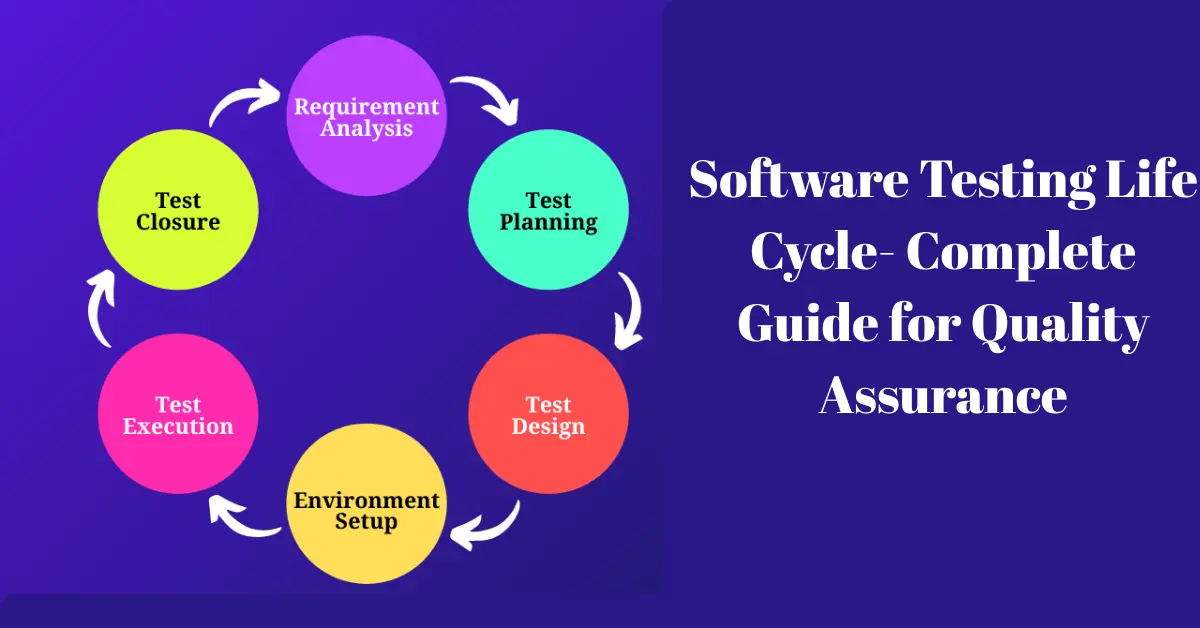
The software testing life cycle (STLC) is a structured sequence of steps that ensures every aspect of a software application is tested thoroughly before it reaches end users. In today’s fast-paced digital world, delivering high-quality software is not optional—it’s a necessity. By following a systematic software testing process, organizations can identify defects early, reduce development costs, and improve overall user satisfaction.
A well-defined STLC acts as a roadmap for the entire software quality assurance effort, guiding testers from planning and analysis to execution and closure. It ensures that no critical component is overlooked and that testing activities align with the project’s goals and deadlines. Companies that adopt this structured approach not only minimize the risk of software failures but also build trust with their clients by delivering reliable and error-free products.
Whether you are a beginner in QA or an experienced professional, understanding the software testing life cycle is essential for creating a robust testing strategy. In this article, we will explore each stage of STLC, discuss its importance, and highlight how following a methodical process can save time, cost, and effort while enhancing software quality.
What is the Software Testing Life Cycle?
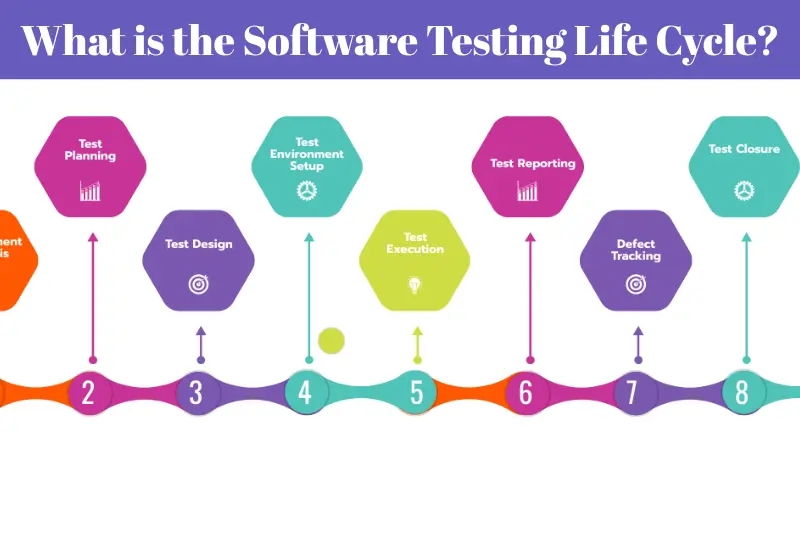
The software testing life cycle (STLC) is a series of well-defined phases that guide the testing of a software application from start to finish. Unlike random or ad-hoc testing, STLC provides a structured software testing process that ensures every function and feature is tested systematically. Its primary goal is to improve software quality assurance by identifying defects early, reducing risks, and ensuring that the software meets user requirements.
STLC is not just about finding bugs; it is a comprehensive approach that involves planning, preparation, execution, and reporting. By following this cycle, testing teams can deliver software that is reliable, efficient, and ready for production. Organizations that implement a strong STLC experience fewer post-release issues, save time and costs, and enhance user satisfaction.
In essence, the software testing life cycle serves as a blueprint for quality-focused development, helping teams streamline testing activities and maintain consistent standards across projects. Understanding STLC is essential for both testers and project managers to achieve a high-quality software product.
May be you like it :
Devices Gmail – How to Access and Manage Your Gmail Account on All Devices
Software Manager Jobs – Roles Skills Career Growth and How to Land One
Software Update in Spanish – Step-by-Step Guide to Latest Updates
Software Languages – Top Programming Languages Tips and Future Trends
Software NAICS Code – Guide to Industry Classification and Government Reporting
Software Testing Life Cycle Phases
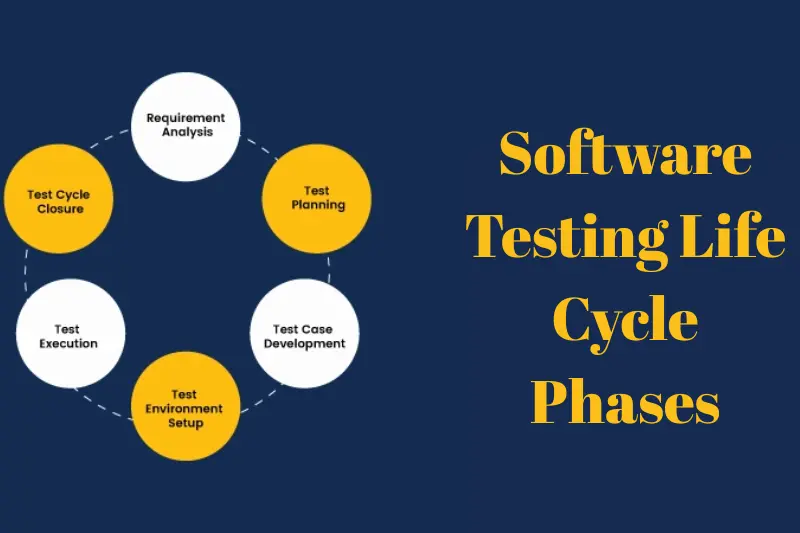
The software testing life cycle (STLC) consists of several key phases that ensure thorough and effective software quality assurance. Each phase has a distinct purpose, contributing to a structured software testing process. Understanding these phases helps testing teams identify issues early, reduce costs, and deliver reliable software.
Requirement Analysis
Purpose: Understand and analyze the software requirements to identify what needs to be tested.
Key Activities:
- Review functional and non-functional requirements.
- Identify testable requirements.
- Collaborate with stakeholders to clarify ambiguities.
Benefits:
- Prevents misunderstanding of requirements.
- Ensures test coverage aligns with project goals.
Best Practices:
- Maintain clear documentation of requirements.
- Use requirement traceability matrices to map test cases.
Related Keywords: requirements testing, software testing process
Test Planning
Purpose: Define the testing strategy, scope, resources, and schedule.
Key Activities:
- Create a test plan document.
- Allocate resources and set timelines.
- Decide testing types (functional, regression, performance, etc.).
Benefits:
- Provides a roadmap for testing activities.
- Helps manage risks and resources effectively.
Best Practices:
- Include contingency plans for unexpected issues.
- Regularly review and update the test plan as the project evolves.
Related Keywords: software testing strategy, test management
Test Case Design
Purpose: Develop detailed test cases based on requirements and the test plan.
Key Activities:
- Write test scenarios and test cases.
- Define expected outcomes.
- Prepare test data.
Benefits:
- Ensures systematic testing coverage.
- Reduces chances of missing critical functionality.
Best Practices:
- Use clear, concise, and reusable test cases.
- Maintain a test case repository for future reference.
Related Keywords: test case development, test scenario creation
Test Environment Setup
Purpose: Prepare the hardware, software, and network conditions required for testing.
Key Activities:
- Install required software and tools.
- Configure servers, databases, and devices.
- Validate the testing environment.
Benefits:
- Avoids delays during execution.
- Ensures tests run in conditions that mirror production.
Best Practices:
- Document environment configurations.
- Keep the test environment isolated from production.
Related Keywords: testing environment, test setup
Test Execution
Purpose: Run the test cases and identify defects.
Key Activities:
- Execute manual or automated test cases.
- Log defects with detailed steps and screenshots.
- Retest after defect fixes.
Benefits:
- Detects errors early before production release.
- Provides actionable insights for developers.
Best Practices:
- Prioritize critical test cases.
- Track execution progress and results in test management tools.
Related Keywords: defect tracking, test execution process
Test Closure
Purpose: Complete testing activities, evaluate results, and share lessons learned.
Key Activities:
- Prepare test summary reports.
- Conduct review meetings.
- Archive test artifacts and documentation.
Benefits:
- Ensures knowledge transfer for future projects.
- Provides insights for improving testing efficiency.
Best Practices:
- Evaluate test coverage and effectiveness.
- Document challenges and recommendations for next cycles.
Related Keywords: test closure report, testing documentation
May be you like it :
Devices Mockup – Create Realistic Digital Mockups with Templates
Devices MAC Address – What It Is How to Find It and Why It Matters
Devices Meaning Explained – Definition Types Examples and Uses
Devices Examples- Complete Guide to Everyday and Smart Devices
Entertainment Technician Jobs – Careers And Opportunities
Why Following STLC Matters
Adhering to a structured software testing life cycle ensures that testing is comprehensive, systematic, and aligned with project objectives. It improves software quality assurance, reduces post-release defects, and enhances customer trust. Organizations that implement STLC effectively save costs, optimize resources, and deliver robust software consistently.
Final Thoughts
The software testing life cycle is much more than a checklist—it’s a strategic framework that ensures software is reliable, efficient, and aligned with user needs. By following a structured software testing process, teams can catch defects early, reduce costs, and enhance software quality assurance across every project.
Understanding each phase of STLC—from requirement analysis to test closure—not only helps testers work more effectively but also empowers project managers to deliver consistent, high-quality results. In today’s competitive digital landscape, adopting a thorough software testing life cycle is essential for building software that users trust and enjoy.
Investing time and effort into STLC today saves time, money, and headaches tomorrow, making it a cornerstone of any successful software development strategy.
May be you like it :
What Is Tech 2 – Definition Applications Benefits and Future Trends
Entertainment Technician – Career Guide Skills Tools And Opportunities
Fun Tech Facts – Amazing Surprising and Cool Technology Trivia
Tech Game Today – Latest Trends Innovations And Future Insights
Tech Earnings This Week – Key Reports Market Trends And Investor Insights
Tech Quotes – Inspirational And Famous Quotes To Motivate Innovators
Tech Index Funds Guide 2025 – Best Technology Funds For Long Term Growth
Tech Neck Symptoms – Causes Prevention And Effective Treatments
Entertainment Information – Latest Updates on Movies Music TV and Celebrities
